

You are here

قراءة كتاب Florida Caverns State Park Marianna, Florida
تنويه: تعرض هنا نبذة من اول ١٠ صفحات فقط من الكتاب الالكتروني، لقراءة الكتاب كاملا اضغط على الزر “اشتر الآن"

been alternately above and below the sea many times in the geologic past. In fact, the rocks visible in the park area at Florida Caverns, near Marianna, Florida, and in the caves were formed from the hard shells of animals that lived in one of these seas. As the animals died, their shells accumulated on the sea bottoms, where they were covered by other shells and hardened into lime rock.
These shells, called “fossils” by the geologist, are remains representing cemeteries of the past. Along most of our coastal areas and sea bottoms these shells are accumulating and forming limestone today. Such limestone has formed also in the areas many miles removed from the present seas, as in Iowa and other middle western states, telling us where seas have been in the past.

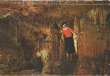
As visitors explore the well-lighted trails and passageways, they notice the icicle-like formations that hang from the ceilings and the heavier ones that project from the floor. They study the columns that seem to help support the rock above and the small passages that extend in many directions. They notice sea shells imbedded in walls and ceilings.
How do we know that these limestones were formed in the sea? The next time you go through the caves at Florida Caverns look closely at the walls and you will be able to find the shells of Scollops and other clams. These animals lived only in shallow seas. The most common shell that you will notice will be many small coiled flat shells about the size of barley seed and flat thin disks about the size of dimes and quarters. The animals that formed these shells are known as Foraminifera and have the fancy names of Operculinoides and Lepidocyclina. They are one celled animals (our most primitive) and are related to some of the parasites that cause disease. These particular animals are extinct and are known only from these rocks. From their association with other shells they are known to have lived in shallow salt-water seas, and by means of them the geologist is able to recognize this particular limestone, even when it has been taken from a well drilled many feet below the ground surface, for these small shells are recognizable even when the limestone has been broken into fine fragments.
The limestone in which the caves of Florida Caverns were carved is known from geologic studies made throughout the state to have been raised from the sea by land movements after being formed and to have been extensively eroded, following which it was again submerged under the sea and other limestones deposited over the eroded surface. These limestones were subsequently raised out of the sea to be eroded. Over this second eroded surface a delta deposit of sand, clay and gravel was formed by streams that emptied into the Gulf of Mexico.
The limestone that you will see in the caves is known as the Ocala limestone, named from deposits near Ocala, Florida. In the region about the Florida Caverns, limestones named the Suwannee limestone and the Marianna limestone overlie the Ocala limestone. These limestones were named for deposits recognized along the Suwannee river and at Marianna, Florida. The sand, clay and gravel overlying all of these limestones are not named but are believed to be the same age as deposits of the geologic period popularly known as the “ice age.”